
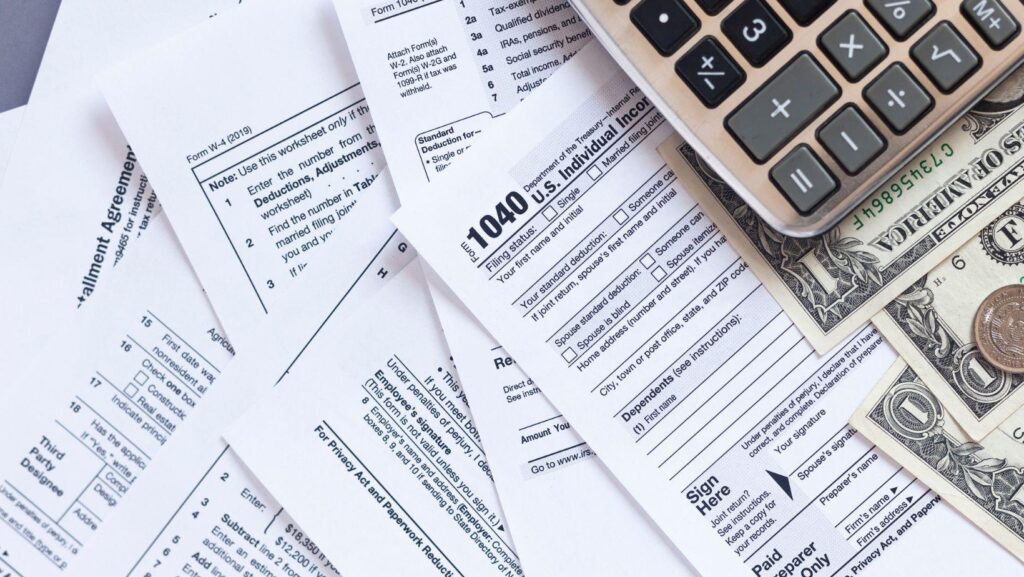
For a business owner, few problems are as quietly destabilizing as tax debt. It doesn’t stop operations the way a lawsuit or a lost client might, so it’s easy to push down the list — until a lien appears, a bank account is levied, or a license renewal is blocked. By then, what began as a cash-flow gap has become a threat to the business itself.
The reassuring truth is that tax debt is one of the most resolvable financial problems there is, with established programs at both the federal and state level. Firms like J. David Tax Law exist because there are real, legal paths out — and for a business owner, understanding those paths is the difference between a manageable setback and a genuine crisis.
Why business tax debt is uniquely dangerous
Ordinary income-tax debt is serious, but one category is far more dangerous for business owners: payroll taxes. When a business withholds income and payroll taxes from employees’ paychecks, that money is held in trust for the government. Falling behind on remitting it can trigger the Trust Fund Recovery Penalty, which allows the IRS to pursue responsible individuals — owners, officers, sometimes bookkeepers — personally, piercing the usual liability protection of the business entity.
The lesson every owner should internalize: never “borrow” from withheld payroll taxes to bridge a tight month. It feels like using your own money; legally, it isn’t, and the personal consequences are severe. This is the single most important rule in business tax survival.
The federal relief options
For most tax debt, the IRS offers a structured set of solutions. The IRS’s payment-options guidance lays them out:
- Installment agreements — spreading the balance over manageable monthly payments. Having one in place generally halts the aggressive collection actions owners fear most.
- Offer in compromise — settling for less than the full amount when paying in full would cause genuine hardship. As the IRS explains, it requires full financial disclosure and real qualification; it’s a hardship provision, not the “pennies on the dollar” fantasy of late-night ads.
- Currently Not Collectible status — a temporary pause when a business or owner genuinely can’t pay.
- Penalty abatement — removing certain penalties where there was reasonable cause.
The Maryland dimension
A Baltimore business also answers to the Comptroller of Maryland, which administers state income, sales and use, and withholding taxes. Helpfully, Maryland runs its own relief programs — including an Offer in Compromise Program that can settle state income, sales, and withholding liabilities, plus payment agreements. Notably, the Comptroller tends to be less flexible with operating businesses than with individuals, and unpaid sales tax can block a sales-tax license renewal, so business owners face real pressure to resolve state debt promptly.
Because the IRS and Maryland collect independently, a business that owes both needs a strategy that addresses them together — settling one while ignoring the other simply invites collection from the side that was left alone.
Unfiled returns: the problem beneath the problem
Many business tax debts trace back to unfiled returns rather than an inability to pay. When a business stops filing — often during a chaotic or lean stretch — the IRS eventually files a “substitute for return” on its behalf, calculated in the government’s favor with none of the deductions, credits, or expenses the business was entitled to. The result is an inflated balance that looks far worse than the real liability. The fix is straightforward but urgent: file the missing returns, even years late, which both replaces those inflated substitute assessments with accurate numbers and unlocks every resolution option. You generally cannot negotiate an installment agreement or an offer in compromise while returns are outstanding, so filing is always the first move — before any settlement conversation can begin.
The mental and operational toll
Financial stress is corrosive, and tax debt carries a special weight because it feels like a judgment from an authority you can’t argue with. For an owner, it also bleeds into decisions — delaying hires, avoiding growth, losing sleep. Two things help: information (understanding that resolution paths exist lowers the temperature immediately) and delegation (handing the problem to someone who deals with the IRS and the Comptroller daily removes both the technical and the emotional burden).
Practical first moves
If tax debt is weighing on your business, a few steps change the trajectory:
- Protect payroll taxes above all. If you’re behind, treat it as an emergency and get help immediately — the personal exposure makes this the most urgent category.
- File everything, even if you can’t pay. You generally can’t access relief options until you’re current on filing, and filing stops the IRS from creating substitute returns that ignore your deductions.
- Don’t ignore a Final Notice. For both the IRS and Maryland, notices carry deadlines, and missing them forecloses options.
- Get a professional read early. A qualified tax attorney can tell you fairly quickly which federal and state paths fit — and the answer is often more hopeful than owners expect.
The other side of it
Business owners who resolve their tax debt describe the same relief afterward: the ability to run the business again without the constant background dread, to make decisions from strategy rather than fear. Tax debt feels permanent and personal, but it is, in the end, a solvable problem with established solutions — federal and state — and professionals whose job is to apply them. The weight is real; it’s also something you can set down, with the right help and while the options are still open.